Navigating the Unseen Injury: A Comprehensive Guide to Brain Injury and TBI Claims in Brevard County, Florida

In the immediate aftermath of an automobile, motorcycle, or boating accident in Brevard County, attention is often focused on visible injuries such as broken bones and lacerations. However, there is another type of injury that can have a profound impact on a person’s life – traumatic brain injury (TBI). This injury, which can be caused by violent forces from collisions on our roads and waterways, is often invisible to the naked eye and can have long-lasting effects on cognitive abilities, personality, and future of a person. Unlike compound fractures, full consequences of TBI may not become apparent until days, weeks, or months after the accident, making it a complex and urgent issue to pursue legal remedies for those affected.
For over six decades, High Stack attorneys have stood as advocates for those who have suffered catastrophic injuries. We understand that brain injury is not just a legal issue, but also a story of the potential of a person that has been interrupted. We bring our experience and resources to help prove what is unseen and secure a better future for victims and their families on the Florida Space Coast.
The Mechanics of an Invisible Crisis: How TBIs Occur in Accidents
Understanding TBI begins with an understanding of the physics of a collision. The brain, a delicate organ suspended in cerebrospinal fluid, is protected by the hard bones of the skull. During a high-speed impact, such as that caused by a car accident on I-95 or US-1, or even a fall into water, two main types of brain injury can occur:
Coup-Contrecoup Injury
This is perhaps the most common mechanism of TBI in accidents. When the head experiences a sudden, violent stop, such as against a steering wheel, windshield, or boat console, the brain continues moving forward, slamming into the inside of the skull at the point of impact (coup).
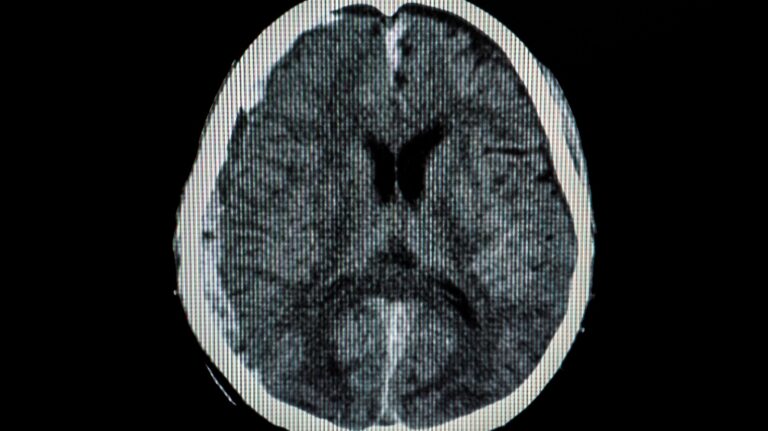
Then, it recoils and crashes into the opposite side of the skull (contrecoup), causing bruising (contusions), tearing, and bleeding at both sites. Often, there are no external signs of a skull fracture. The diffuse axonal injury resulting from this impact—the shearing of long nerve fibers in the brain—is the primary cause of loss of consciousness and long-term cognitive impairment.
Penetrating or Blunt Trauma
While these injuries are less frequent, they often cause more catastrophic consequences. These injuries happen when the skull is fractured or pierced by an object, like during a roof collapse, occupant ejection, or collision with a projectile. Physical invasion of brain tissue by the object causes severe and localized damage. In addition, the traumatic force can lead to brain swelling within the limited space of the skull, causing life-threatening secondary injuries.
The insidious nature of traumatic brain injury (TBI) lies in its symptoms. A victim may leave an accident feeling “shaken up,” only to later experience severe headaches, memory problems, mood swings, difficulty processing sensory information, and extreme fatigue. These are not minor issues; they are signs of a serious neurological injury that can prevent a person from returning to work, maintaining relationships, or living independently.
Learn More About Our Case Results
The Spectrum of Impact: From Concussion to Catastrophe
It is essential to recognize that traumatic brain injury (TBI) exists on a wide spectrum, and a diagnosis of “mild” concussion should never be underestimated. Post-concussion syndrome (PCS) can involve persistent debilitating symptoms that last for months or years, significantly affecting one’s quality of life. At the more severe end of the spectrum, moderate to severe TBI can lead to permanent disability, requiring lifelong medical care, cognitive rehabilitation and assisted living.
The common thread across the spectrum is that the injury affects the very organ responsible for personality, memory and independence. Therefore, the legal claim must address not only immediate medical expenses, but also long-term costs of lost opportunities, future therapies and re-designing a life plan for victims and their loved ones.
The Legal Labyrinth: Why TBI Cases Demand Specialized Advocacy
Since our founding in 1962 by Charles “Bud” R. Stack and Miami Mayor Robert King, and later strengthened by the judicial insights of Edward B. Davis, who was appointed to the federal bench by President Jimmy Carter, High Stack has been synonymous with strong legal advocacy in Florida. Our Melbourne office continues this tradition on the Space Coast, having recovered over $100 million in verdicts and settlements for our clients. In brain injury cases, this legacy translates into tangible benefits:
- Resource-Intensive Investigation: We immediately deploy resources to secure crash data from vehicle “black boxes,” obtain surveillance footage, conduct accident reconstructions, and engage the services of the foremost medical experts to analyze diffuse MRI findings and neuropsychological testing.
- Future-Focused Valuation: We do not simply calculate current losses. Instead, we work with vocational rehabilitation specialists and economists to project the long-term cost of care, cognitive therapy, assisted living, and lost earnings potential, ensuring that the demand accurately reflects the true, lifelong impact of the injury.
- Trial-Tested Approach: Our history of preparing each case as if it were going to trial provides us with unparalleled leverage in negotiations. Insurance companies know that we have the skills, experience, and track record in court to present a compelling, empathetic story about our client’s changed life to a Brevard County jury.
Taking the Critical First Step Toward Protection
If you or a loved one have experienced a head injury in an accident, even if you did not lose consciousness, it is essential to seek immediate medical and legal advice. Time is crucial not only for healing, but also for preserving evidence and meeting legal deadlines. Changes in thinking, mood, or function after a head injury can indicate serious underlying issues that need to be addressed.
The attorneys at High Stack provide compassionate and detailed case evaluations. We listen to your story and help you understand the medical and legal aspects of your situation. We begin the important work of gathering evidence to support your claim. In the fight to make your injury visible and your struggles heard, having a law firm with a proven track record of success is not just an advantage – it’s essential.
Common Brain Injury and TBI FAQ
Unlike visible injuries, TBI symptoms can be delayed and subtle. Key signs include persistent headaches, dizziness, confusion, memory problems (“brain fog”), mood swings (irritability, depression), sensitivity to light or sound, sleep disturbances, and excessive fatigue. Even if you didn’t lose consciousness, experiencing these cognitive or emotional changes after a blow to the head warrants immediate medical and legal evaluation.
Insurance companies are often skeptical of “invisible” injuries that don’t show up on standard tests like X-rays. They frequently challenge the diagnosis, argue symptoms are from pre-existing conditions or stress, and push for quick settlements before the long-term, permanent impact is fully known. This makes specialized legal advocacy critical to counter these tactics and prove the direct link between the accident and your neurological condition.
Establishing causation is a central challenge. We build an unbroken chain of evidence by obtaining your pre-accident medical, academic, and employment records to establish a baseline of your cognitive function. We then work with neurologists and neuropsychologists who can correlate imaging findings (like diffuse axonal injury on an MRI) and neuropsychological test results directly to the trauma mechanics of your specific accident, refuting claims of alternative causes.
To step outside Florida’s PIP (no-fault) system and sue the at-fault driver, you must prove your TBI constitutes a “permanent injury within a reasonable degree of medical probability.” This doesn’t mean symptoms never improve, but that you have sustained a lasting impairment of a bodily function. Proving this requires authoritative medical testimony documenting that your cognitive deficits, personality changes, or other neurological impairments are likely to be lifelong.
The full cost of a TBI extends far beyond current medical bills. A comprehensive claim must account for a lifetime of needs. We collaborate with life care planners, vocational experts, and economists to project future expenses, including ongoing cognitive therapy, potential assisted living, in-home care, medical equipment, and, crucially, the significant loss of future earning capacity if you can no longer work in your previous profession.
Time is critical for two reasons. First, evidence fades swiftly—vehicle “black box” data can be overwritten, surveillance footage is erased, and witness memories fade. Second, the subtle, progressive nature of TBI symptoms means insurance companies will pounce on early, low settlements before the devastating long-term prognosis is clear. Early legal intervention ensures evidence is preserved and your right to full, future-focused compensation is protected from the start.
Related Articles
TBIs and Children: What Parents Should Watch for After a Fall or Crash
Seeing your child hurt is traumatic in and of itself. After a serious fall or a crash involving your kid, there are certain signs and symptoms you should look out for. Whether they were hurt in a sports accident, car crash, or other incident, knowing the signs can help protect your child from further harm….
Can You Sue for a Brain Injury Caused by Unsafe Property Conditions?
Too often, injuries to kids happen because of someone’s lack of care on their own property. The same is just as true of brain injuries. If your child was hurt while visiting another’s property, you and they could be owed significant financial compensation through a Florida personal injury lawsuit. Issues like broken stairs, slippery floors,…
The Role of Medical Experts in Proving Brain Injury Claims
Brain injuries are some of the most serious you can face after an accident. To seek compensation for those injuries, they often require medical experts to testify at a hearing or trial. Understanding their role can help you understand the personal injury process as a whole. At High Stack Law, our skilled Florida personal injury…